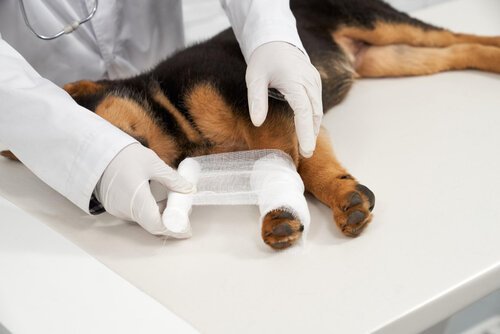
A dog spay is more than routine surgery. It’s a lasting investment in your dog’s health, lowering her risk of certain cancers and helping her live a longer, healthier life. At Tomken Veterinary Hospital in Mississauga, we approach every spay with genuine care and attention, from the pre-surgery check to the follow-up call once she’s home. Our experienced team is here to guide you through every step and answer any questions along the way. Trust us to give your dog the safe, compassionate care she deserves.
It’s a surgical procedure where a vet removes the ovaries, and usually the uterus too, under general anesthesia. Vets have performed this surgery for decades, and it’s now a routine part of responsible pet ownership across Canada. The history of spaying and neutering goes back to the mid-20th century, when it became a standard tool for managing pet population and improving animal welfare.
Today, spay surgery is safe, quick, and backed by modern anesthesia monitoring. Most dogs go home the same day. The procedure typically takes 20 to 90 minutes, depending on your dog’s size and age. Your vet will explain the specifics based on your dog’s breed and health history.
Benefits of Dog Spaying
Avoids life-threatening infections
Spaying removes the uterus, which means pyometra, a painful and sometimes fatal infection, simply can’t happen.
Prevents breast tumors
Spaying before the first or second heat cycle lowers the risk of mammary tumors significantly.
Happier life for your pet
Many dogs settle down and seem more content once hormonal swings stop.
Reduces cancer risk
Along with mammary tumors, spaying lowers the chance of certain reproductive cancers.
Adds years to your dog’s life
Spayed dogs tend to live longer and healthier lives overall, since they avoid several reproductive health risks later on
Stops heat cycles
Spaying stops your dog’s heat cycles, preventing the bleeding and behavioral changes that can occur during this time.
When Should a Dog Be Spayed?
Dog spay age depends on breed size and your vet’s recommendation. Many vets suggest spaying between five and six months, before the first heat cycle, since this timing offers the strongest health benefits. Puppy spay surgery is generally simple, and younger dogs often recover faster than older ones.
However, larger breeds sometimes benefit from waiting until closer to a year, since early spaying can affect joint development in bigger dogs. Our dog neuter page covers similar timing questions if you also have a male dog at home. When a dog is spayed later in life, the surgery is still safe, though recovery may take a bit longer.
What Happens During Spay Surgery?
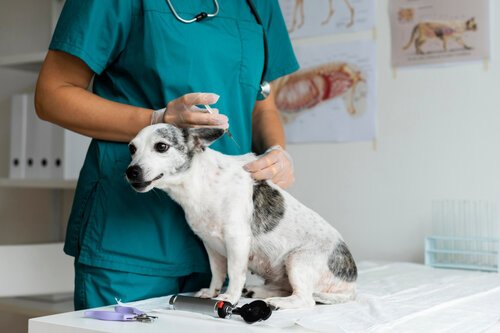
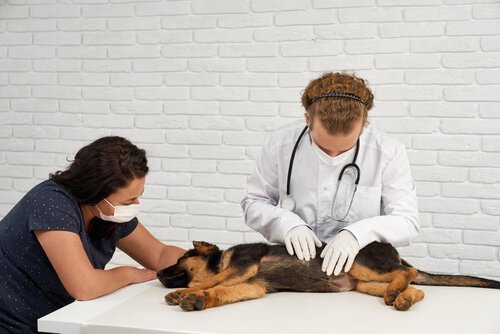
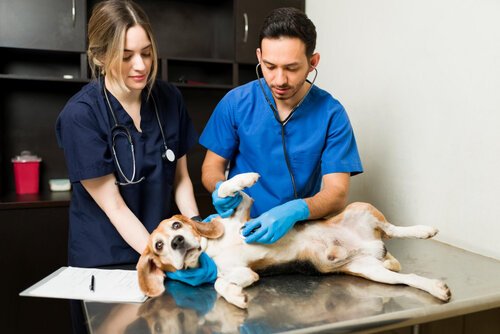
On surgery day, your dog will have a pre-anesthetic exam and bloodwork to confirm she’s healthy enough for the procedure. Once cleared, she’s placed under general anesthesia, and a technician monitors her vital signs throughout. The vet makes a small incision, removes the ovaries and uterus, and closes the site with sutures. Pain control is given before, during, and after surgery. Most dogs wake up within an hour and go home the same afternoon with clear aftercare instructions.
How to Prepare Your Dog for Surgery
A little preparation makes surgery day smoother for you and your dog. Follow your vet’s fasting instructions closely, since food or water too close to surgery can cause complications under anesthesia. Book any preventative care and testing your dog needs beforehand, including bloodwork, so there are no surprises. Bring your dog’s medical history if she’s new to our dog spay clinic. Keep her calm and avoid heavy exercise the day before. Arrive on time, and ask questions if anything feels unclear. A relaxed dog on surgery day tends to have an easier recovery.
Dog Spay Recovery Tips
Recovery usually takes 10 to 14 days, and a bit of extra care goes a long way.
Keep your dog quiet and limit jumping, running, or stairs.
Use an e-collar to stop licking or chewing at the incision.
Check the incision daily for redness, swelling, or discharge.
Feed light meals the first evening, since appetite can be low.
Follow up with your vet if anything looks off.
These dog spay recovery tips help most dogs heal without setbacks, though every dog recovers at her own pace.
Benefits of Dog Spaying
Avoids life-threatening infections
Prevents breast tumors
Happier life for your pet
Reduction in cancer prevalence
Eliminates cost of unwanted pups
Add 1-3 years into Dog’s life
Why Choose Tomken Veterinary Hospital?
If you’re searching for a dog spay neuter near me option in Mississauga, our experienced team offers modern anesthesia monitoring, attentive aftercare, and genuine compassion for your pet. We treat every dog like family and keep you informed at each step, from consultation to recovery.