Regular pet wellness exams let a veterinarian find health problems in dogs and cats before they turn into pain, emergencies or costly treatment. Dogs and cats are good at hiding illness, so a pet that looks healthy at home can still have early dental disease, weight gain, parasites or changes in blood work. This guide explains what a routine wellness checkup includes, what it can catch early, how often puppies, kittens, adult pets and senior pets should see the vet, and what to expect on the day.
What Is Included in a Routine Wellness Exam for Dogs and Cats?
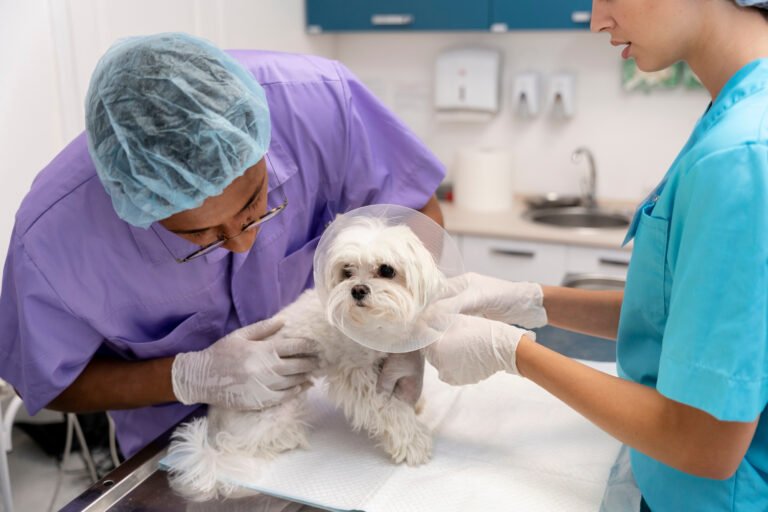
A routine wellness exam for dogs and cats is a nose-to-tail physical examination, plus a review of vaccines, parasite prevention, diet and behaviour. The veterinarian records weight and body condition, then checks the eyes, ears, skin, coat, heart, lungs, abdomen, joints and lymph nodes. An oral examination looks for tartar, inflamed gums and broken teeth.
Most visits also cover:
- Vaccinations due for your pet’s age and lifestyle
- Prevention for fleas and ticks, heartworm and intestinal parasites
- A pet nutrition assessment and weight management advice
- Diagnostic testing such as blood tests, urine tests or a fecal test, when needed
Each finding is added to your pet’s medical history. That record gives the veterinarian a baseline to compare against at the next visit.
Why Do Dogs and Cats Need Regular Veterinary Checkups?
Dogs and cats need regular veterinary checkups because they instinctively hide pain and illness, and they age faster than people do. A cat with sore teeth may keep eating. A dog with early arthritis may simply seem a little slower on walks. By the time signs of illness in dogs or cats are obvious at home, a condition has often been developing for months.
Routine veterinary visits close that gap. They also keep preventive care on schedule, because vaccine boosters, parasite prevention and dental care are easier to manage when one visit reviews them all. Over the years, regular checkups build a record of your pet’s normal weight, heart rate and lab values, so small changes stand out early instead of being missed.
What Health Problems Can a Wellness Exam Detect Early?
A wellness exam can detect many common health problems before symptoms appear, including:
- Dental disease: tartar, gingivitis, and loose or fractured teeth
- Weight gain or loss: often the first sign of diet problems, thyroid disease or diabetes
- Heart conditions: murmurs and irregular rhythms heard through a stethoscope
- Organ changes: early kidney, liver and thyroid disease picked up on blood and urine tests
- Skin and ear problems: lumps, infections and allergies
- Joint disease: stiffness and early arthritis
- Parasites: fleas, ticks, intestinal worms and heartworm
Early disease detection matters because many chronic diseases, such as kidney disease in older cats, are easier to manage when they are found early. If the exam raises a question, your veterinarian may suggest further diagnostic testing, such as X-rays or more detailed blood work.
How Often Should Puppies, Kittens, Adult Pets, and Senior Pets Have Checkups?
Most healthy adult dogs and cats need a wellness exam at least once a year, while puppies, kittens and senior pets need more frequent visits.
| Life stage | Typical checkup frequency | Main focus |
| Puppies and kittens (up to about 16 weeks) | Every 3–4 weeks | Vaccine series, deworming, growth and socialization |
| Adult dogs and cats | Once a year | Annual pet checkup, boosters, dental health and weight |
| Senior dogs (over 7) and senior cats (over 10) | Every 6 months | Blood work, blood pressure, joints, kidney and thyroid screening |
These intervals follow guidance from the American Animal Hospital Association (AAHA) and the American Association of Feline Practitioners (AAFP). Large-breed dogs may reach their senior years sooner, and pets with chronic conditions may need closer monitoring. Your veterinarian will set the right schedule for your pet.
What Should Pet Owners Expect During a Wellness Visit?
A wellness visit starts with questions, moves to the physical examination and ends with a care plan. The veterinary team will ask about appetite, water intake, energy, bathroom or litter box habits, and any behaviour changes. Then comes the hands-on exam, followed by any vaccines or samples for testing.
To get the most from the visit:
- Write down your questions and anything unusual you have noticed.
- Bring a list of food, treats, supplements and medications.
- Bring a fresh stool sample if the clinic asks for one.
- Use a secure carrier for cats and a leash for dogs.
You should leave knowing your pet’s weight and body condition, which vaccines and preventives are due, and whether any follow-up tests are recommended.
How Can Regular Wellness Exams Support Long-Term Pet Health?
Regular wellness exams support long-term pet health by moving care from reactive to preventive. Instead of treating a problem once it causes pain, your veterinarian tracks trends from year to year: a slow rise in kidney values, a few extra kilograms, a tooth that needs attention. Small changes to diet, exercise, dental care or medication can then keep a chronic disease under control for longer and support a longer pet lifespan.
Consistent preventive healthcare also protects dogs and cats against serious diseases such as parvovirus, rabies and heartworm. For many pet owners, the biggest benefit is confidence. You know what is normal for your pet, and you can act quickly when something changes.
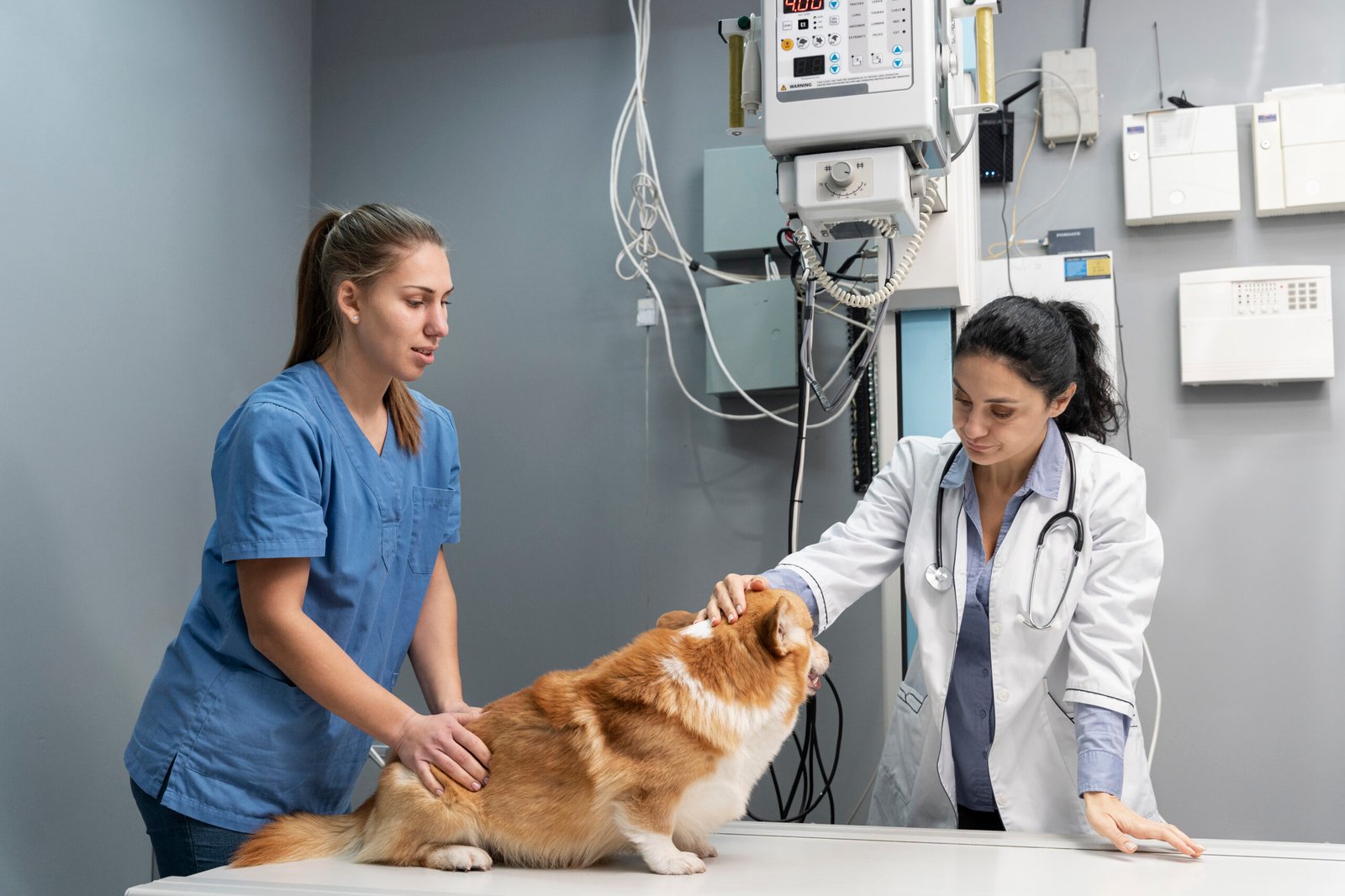
At Tomken Veterinary Hospital in Mississauga, wellness exams connect with the rest of your pet’s preventive care. Our team can keep your dog or cat up to date with core and lifestyle Vaccination during the same visit. If the exam finds something that needs a closer look, our Radiology Services let the veterinarian examine bones, joints, the chest and the abdomen in more detail.
Frequently Asked Questions
Where can I get a wellness checkup for my dog in Mississauga?
You can get a dog wellness checkup at Tomken Veterinary Hospital, Unit 17, 1020 Matheson Blvd East, Mississauga. The exam includes a full physical examination and a review of vaccines, parasite prevention, dental health and nutrition. Call 905-282-1555 to book a visit for your dog.
Where can I book a cat wellness exam in Mississauga?
You can book a cat wellness exam at Tomken Veterinary Hospital on Matheson Blvd East in Mississauga by calling 905-282-1555. A cat wellness exam covers a physical examination, weight check, oral examination and a review of vaccines and parasite prevention, with blood or urine tests when needed.
How much does a dog wellness exam cost in Mississauga?
The cost of a dog wellness exam in Mississauga depends on your dog’s age and size, and on whether vaccines, parasite tests or blood work are needed at that visit. Puppy and senior visits usually include more services. Contact Tomken Veterinary Hospital at 905-282-1555 for current exam fees.
How much does a cat checkup cost in Mississauga?
The cost of a cat checkup in Mississauga varies with the cat’s age, health and the services included, such as vaccines, a fecal test or senior blood work. A basic exam costs less than a visit with diagnostic testing. Call Tomken Veterinary Hospital at 905-282-1555 for an accurate quote.
How often should I take my dog to the vet in Mississauga?
Most healthy adult dogs in Mississauga should see the vet once a year for a wellness exam. Puppies need visits every 3–4 weeks until about 16 weeks old, and senior dogs over 7 should be examined every six months. Ontario’s tick and mosquito seasons also make yearly parasite prevention checks important.
Do indoor cats need annual wellness exams?
Yes, indoor cats need annual wellness exams. Indoor cats still develop dental disease, obesity, kidney disease and hyperthyroidism, and they hide symptoms well. AAHA and AAFP guidelines recommend at least one exam a year for every adult cat, and exams every six months once a cat is over 10.
What is included in a routine pet wellness exam?
A routine pet wellness exam includes a nose-to-tail physical examination, a weight and body condition check, an oral examination, and a review of vaccines, parasite prevention and diet. Depending on age and health, the veterinarian may also recommend blood tests, urine tests or a fecal test.
When should puppies and kittens have their first vet checkup?
Puppies and kittens should have their first vet checkup at around 6–8 weeks of age, or within a few days of coming home. The first puppy wellness exam or kitten wellness exam starts the vaccination schedule, deworming and parasite prevention, and checks for congenital problems or illness.
Can a routine wellness exam detect health problems before symptoms appear?
Yes, a routine wellness exam can detect health problems before symptoms appear. Heart murmurs, dental disease, weight changes and early kidney or thyroid disease are often found during exams or blood tests in pets that seem healthy at home. Earlier detection usually means simpler, less costly treatment.
Where can I find a veterinary clinic for preventive pet care in Mississauga?
Tomken Veterinary Hospital provides preventive pet care in Mississauga, including wellness exams, vaccinations, parasite prevention, dental care, lab diagnostics and radiology. The clinic is at Unit 17, 1020 Matheson Blvd East, and appointments can be booked by calling 905-282-1555.
Keep Your Pet’s Wellness Exams on Schedule
A pet that looks healthy is not always a healthy pet, which is why regular wellness exams are one of the simplest ways to protect your dog or cat. If your pet is due or overdue for a checkup, call Tomken Veterinary Hospital at 905-282-1555 to book a visit.